


ASX risks rise as banks, miners dominate and Iran rattles markets
News in brief
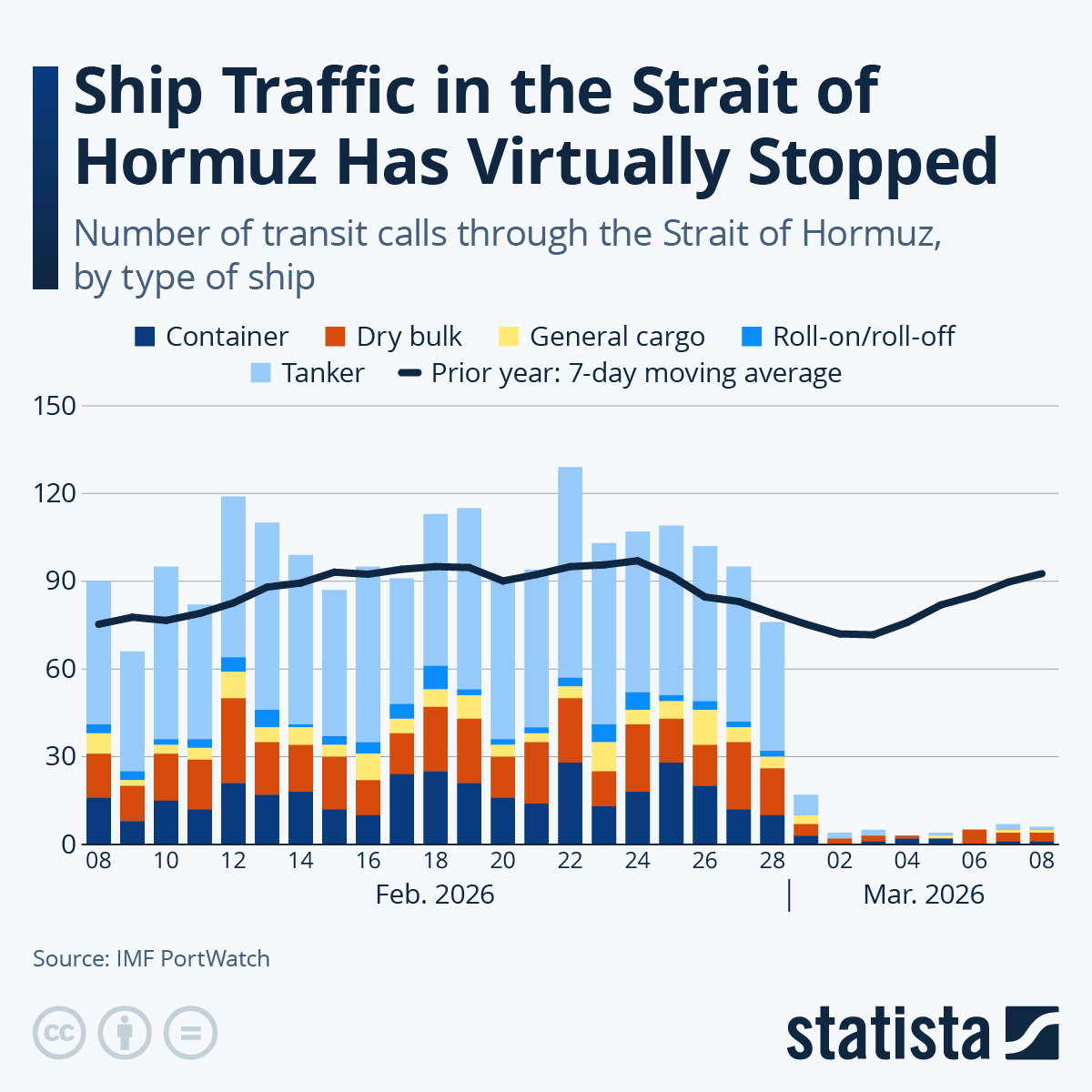
Hopes that the Strait of Hormuz will remain open pushed Wall Street to a record high over the weekend and the price of oil tumbled back below $US90 a barrel. However, the re-closing of the Strait later in the weekend could hurt local equities.
The preliminary auction clearance rate across the nation over the week came in at 58.9 per cent, better than the past couple of weeks, but still relatively low. The figure is being hurt by the number of withdrawn auctions in major cities, especially Sydney.
Interest rates might be rising, but competition in the mortgage market is heating up with major lenders offering cash backs and fee waivers to attract and keep customers. ANZ, for example, is offering cash payments to some customers of around $2,000.
Dozens of Chinese-made humanoid robots took part in the Beijing half marathon over the weekend, demonstrating fast improving athleticism and autonomous navigation skills, and perhaps not surprisingly, they beat the human runners.
One of the more incredible stories out of Wall Street over the past week has come from sustainable shoe brand, Allbirds. On Tuesday its share price was less than $3. On Wednesday, it said it was no longer a sustainable shoe brand but had decided to become an AI infrastructure company. Its share price jumped nearly 900 per cent to $22.
Fear-o-meter
Australia has always had a highly concentrated equity market, but it is getting worse, and that’s potentially bad news for investors. The financials and materials sectors make up more than 50 per cent of the market.
That’s good news if BHP, Rio Tinto, Fortescue Metals, Commonwealth Bank, Westpac, National Australia Bank and ANZ continue to perform as they have over the past year. But it is a potential disaster if they don’t.
Given the prospect of higher interest rates, rising bad debts and a slowdown in the global economy, neither sector looks overly attractive right now.
The most fundamental rule of investing is diversification (ask your financial adviser) and the top 10 stocks on the ASX are not diversified.
Wall Street investors run into the same problem with the success of the Magnificent 7 tech stocks. The London Stock Exchange is overly biased towards financials and consumer staples – companies like Unilever, British American Tobacco and Diageo.
It isn’t unusual, but it’s not best practice for investing.
Fear & Greed Q+A today
On the week ahead for the economy, and why the Aussie dollar is performing so strongly against the greenback:
"The Aussie dollar is influenced by a whole bunch of factors, and it really depends on what’s topical at the time. Sometimes it’s commodity prices, and right now they’re a big driver — oil is high, copper is strong, iron ore has been resilient, and even coal has done well. That tends to push the dollar higher.
Then you’ve got interest rates and capital flows. If you’re a global fund manager looking for a AAA-rated sovereign, Australia stands out. Our bond yields are relatively high, so money flows in — and when you buy Australian bonds, you have to buy Australian dollars. That lifts the currency.
There’s also the trade balance — when we’re exporting more than we’re importing, that supports the dollar. Most of those factors are positive right now, which is why we’re up around 70 to 72 US cents. And while forecasting currencies is a mug's game, the fundamentals suggest it could grind higher."
The local share market is getting narrower, creating investment risks particularly for index investors, with eight of the top ten companies on the bourse now coming from just two sectors – mining and financials.
Those two sectors account for more than 50 per cent of the ASX200, while the top five stocks – BHP and the big four banks – account for 37 per cent of the market.
Commonwealth Bank remains the ASX’s largest company with a market cap just shy of $300billion. BHP comes in at $285 billion, and then there is a significant drop to the next three – Westpac, NAB and ANZ.
Greed-o-meter
Forwarded from a friend? Sign up to our daily newsletter