


RBA hints at rate hike; NextDC’s $2b crash in data centre fight; SpaceX + Tesla
News in brief
NextDC in data centre shock: Shares in NextDC plunged more than 40 per cent after community opposition to new power lines delayed electricity supplies to its flagship Melbourne data centre. Around $2 billion was wiped from its market value.
Private credit funds freeze: MA Financial has suspended withdrawals from $2.3 billion in property lending funds, blaming deteriorating conditions in residential development. It also plans to close a $100 million retail property fund. The move adds to concerns about liquidity across Australia's private credit sector, where other managers have also restricted investor withdrawals.
PM urges MPs to take greater care: Prime Minister Anthony Albanese has urged politicians to review their personal security following the alleged attack on independent MP Helen Haines. Security agencies are briefing parliamentarians, while Albanese has called for less hostility in political debate. Haines remains in a critical but stable condition.
Austal secures $245 million government loan: Shipbuilder Austal will receive a $245 million loan from the federal government's National Reconstruction Fund to build a manufacturing facility near Fremantle. The project is expected to create 780 jobs and support construction of landing craft for the Australian Defence Force.
Trump's envoy pushes for Ukraine peace deal: US special envoy Steve Witkoff was due to meet Vladimir Putin in Russia following talks with Ukrainian President Volodymyr Zelensky in Oslo. European leaders say progress has been made on peace proposals, although details remain unclear and significant obstacles remain.
Musk explores $US3 trillion Tesla–SpaceX merger: Elon Musk has floated combining Tesla and SpaceX in what could become the largest corporate merger in history. Both companies have established special committees to examine a deal potentially worth more than $US3 trillion. The proposed combination would unite Musk's electric vehicle, space, robotics and artificial intelligence businesses.
Fear-o-meter
RBA deputy governor Andrew Hauser (edited version)
“We’re in a world of hard choices. I think that’s the reality here. We were the first G20 central bank … to raise rates this year.
“That reflected the fact that we came into the year with domestic capacity pressures, and of course, we had the unwelcome development of the Middle East crisis as well which added fuel to fire.
“We looked an outlier when we did that at the beginning of the year. But, looking back now, 14 other G20 central bank rate rises, we were, if anything, ahead of the curve rather than behind.
“We didn’t raise rates in June or August because we wanted to take space to review the impact of our decisions in the first part of the year. Yeah, and perhaps it sounds naive now, the possibility of a resolution in the Middle East crisis.
“But in August, we did identify three upside inflation risks, and the first was from a prolonged Middle East crisis. The second was from the burgeoning AI and tech boom … and the third was the possibility of even weaker domestic supply constraints. By September, we judged that those three risks had crystallised.
“Oil was back over $100, no end in sight to the war. AI was going gangbusters, and in the Governor’s words, productivity growth, according to the latest National Accounts in Australia, was doing nothing.
“Where do we stand today? Well, we’re a week and a half from the policy meeting, and we’re still finalising our forecast. So I don’t know for sure, but a few things are clear. The inflation outlook looks materially worse than we projected in the August report.”
Fear & Greed Q+A today
In the second interview in our weekly series on retirement and investing with MLC Expand, MLC's Director of Retirement Innovation Ashton Jones speaks with Sean Aylmer about the shift from saving for retirement to spending in retirement:
"It's no wonder, Sean, that Australians have spent so much time focusing on the first phase of the superannuation system, which is the phase where you're building your retirement nest egg. But now the focus is really turning to the next phase of the system, which is working out, well, how do we spend that nest egg and use superannuation in a way to actually pay us a retirement income for life?
And the reason why there's so much focus now on that phase of the system is Australia's getting older. There's gonna be around three million Australians who are gonna retire over the next decade. And they've got around $1.2 trillion of superannuation that the industry is now working out, well, how do we convert that in the most effective way possible to retirement income?"
RBA signals another rate hike
The Reserve Bank has delivered its strongest warning yet that interest rates may need to rise again, despite signs the Australian economy is slowing.
Deputy governor Andrew Hauser says the inflation outlook has deteriorated significantly since the central bank's August forecasts, with oil prices around a third higher than expected and demand remaining resilient.
He acknowledged that higher interest rates are working, with weaker household spending and a softening labour market. But inflation pressures are proving stubborn, leaving the RBA facing difficult choices.
Financial markets reacted immediately, lifting the probability of a Melbourne Cup Day rate hike from 27 per cent to almost 60 per cent. The Australian dollar climbed above US70 cents.
Another increase would be the fifth this year, adding pressure to households already struggling with higher borrowing costs.
Greed-o-meter
Forwarded from a friend? Sign up to our daily newsletter
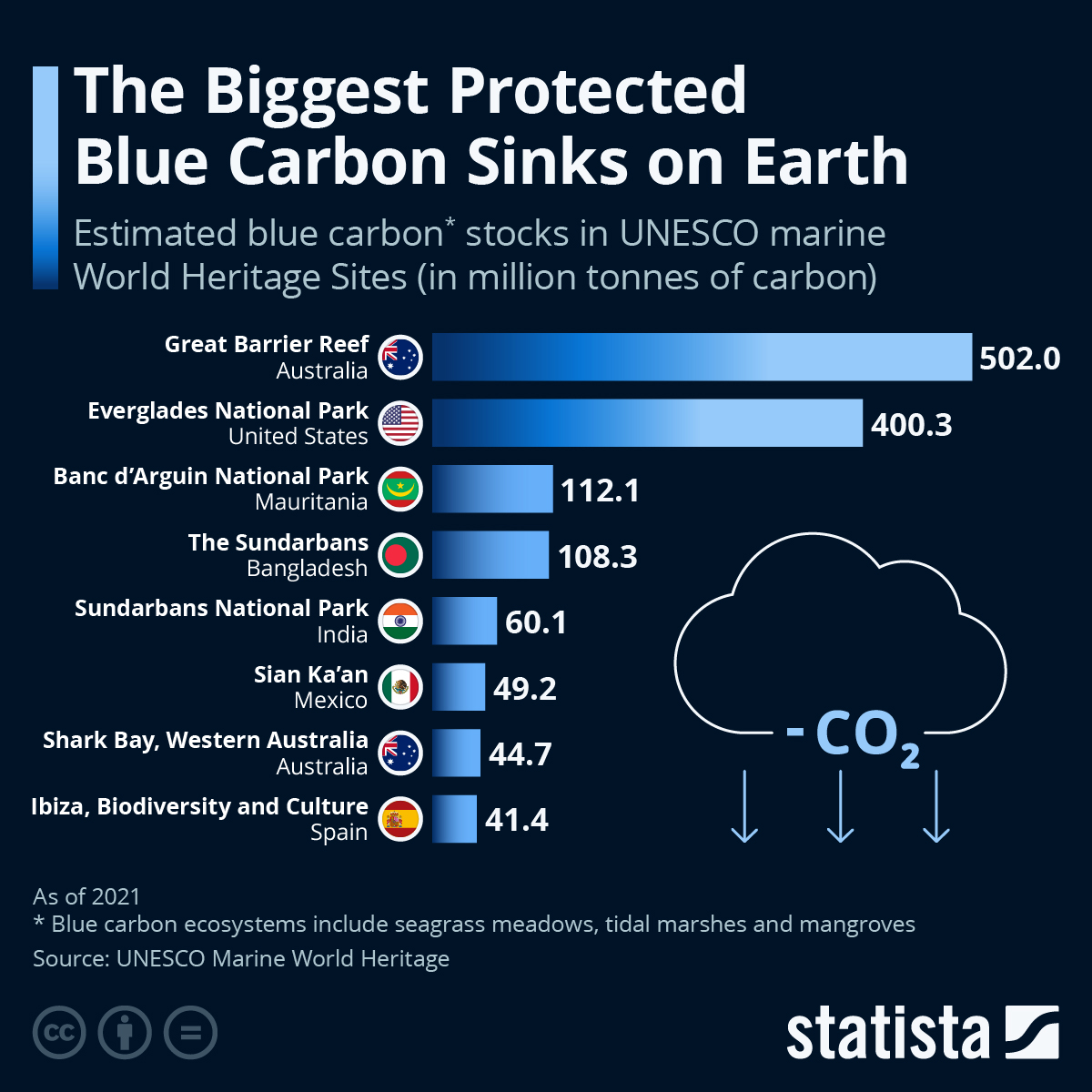
Here's a cool fact for your Thursday: Australia is home to the world's largest protected blue carbon sink, with the Great Barrier Reef storing an estimated 502 million tonnes of carbon – more than the Everglades in the US. Blue carbon is captured and stored by coastal ecosystems such as seagrass meadows, mangroves and tidal marshes, making them important in the fight against climate change. UNESCO data also places Western Australia's Shark Bay among the world's top eight protected sites.